HANS Devices
Frontal Head Restraint (FHR) devices are mandatory from 1 October 2020 for the majority of New Zealand motorsport. Racetech is the official New Zealand distributor of HANS devices, the worlds leading brand of FHR. We offer a full range of HANS devices and accessories. We also service and SFI recertify your used HANS devices. We’ve put together three great deals, including a HANS and Helmet combo, to help you meet the new safety requirement. You may also need to update your helmet and harness. You can find out more on the Motorsport New Zealand website here and check out our blogs for in-depth safety knowledge and instruction on use.
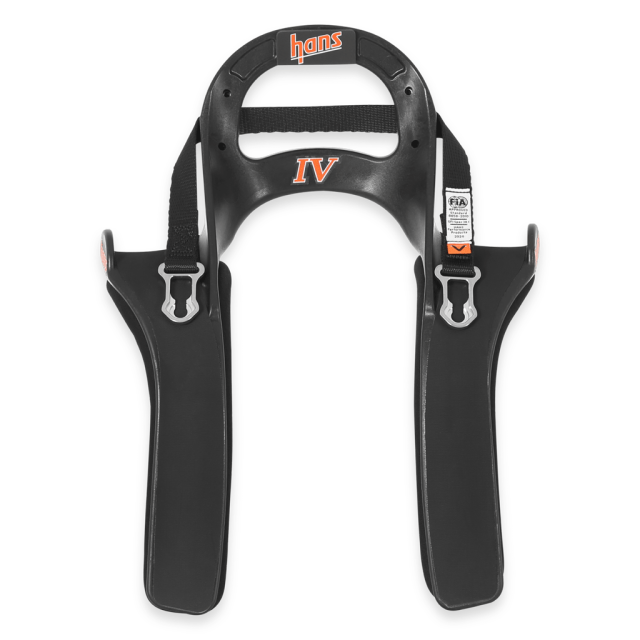
HANS IV Device - 20 Degree
20 DEGREE HANS 4 DEVICE - NEW! Now offered in 3 different sizes, the Hans IV is a new and improved FHR (Frontal Head Restraint) that is 10% light..
$699.00
Ex Tax: $607.83
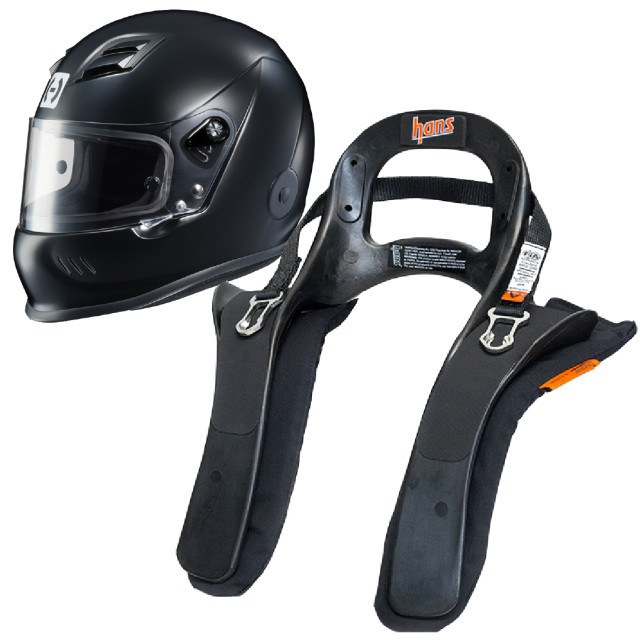
HANS - HJC Driver Safety Package (Includes Helmet Anchors)
HANS - HJC Driver Safety Package (Includes Helmet Anchors) This is a super deal to get you sorted out with some quality genuine safety gear for the..
$1,418.99 $1,588.98 Ex Tax: $1,233.90
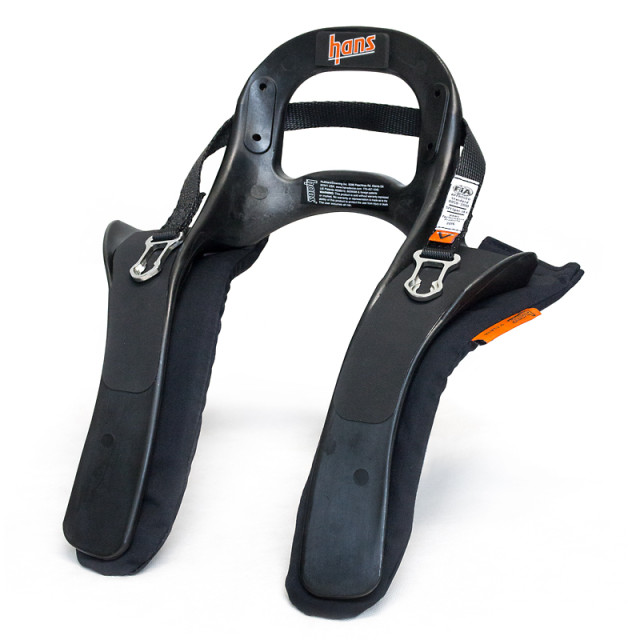
HANS III Device - 20 Degree
20 DEGREE DEVICE The HANS III represents the third generation of injection moulded HANS devices and features a contemporary approach to reducing ..
$699.99
Ex Tax: $608.69
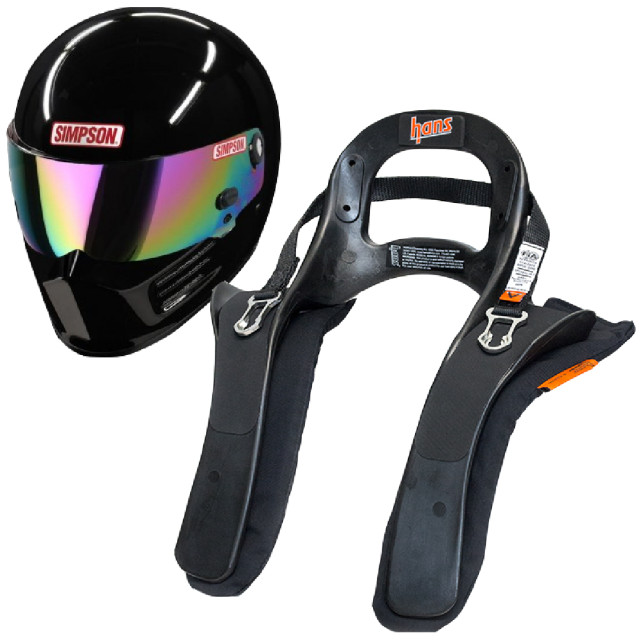
HANS - Bandit Driver Safety Package (Includes Helmet Anchors)
HANS - Bandit Driver Safety Package (Includes Helmet Anchors) Choose from: 2 x Simpson Bandit Helmet Colours (black or white) 5 x Simpson B..
$1,859.98 $2,029.97 Ex Tax: $1,617.37
HANS III Device - 30 Degree
30 DEGREE DEVICE The HANS III represents the third generation of injection moulded HANS devices and features a contemporary approach to reducing ..
$860.00
Ex Tax: $747.83
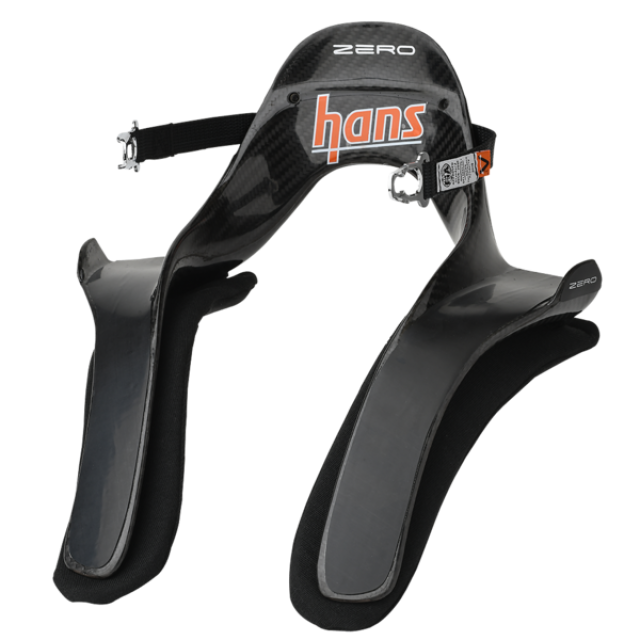
HANS Zero 30 Degree
Stilo HANS Zero The Stilo HANS Zero combines the best of the Simpson Group, a fresh Italian design engineered in partnership with Italian helmet ma..
$3,529.99
Ex Tax: $3,069.56
-640x640.jpg "HANS Pro Ultra Lite Device")
HANS Pro Ultra Lite Device
The carbon HANS Pro Ultra Lite is FIA-approved. The Pro Ultra Lite device applies aerospace-grade carbon to achieve a 100+ gram weight saving compared..
$2,430.00
Ex Tax: $2,113.05
HANS III Device - 20 Degree Youth
20 DEGREE YOUTH DEVICE The HANS III represents the third generation of injection moulded HANS devices and features a contemporary approach to red..
$929.99
Ex Tax: $808.69
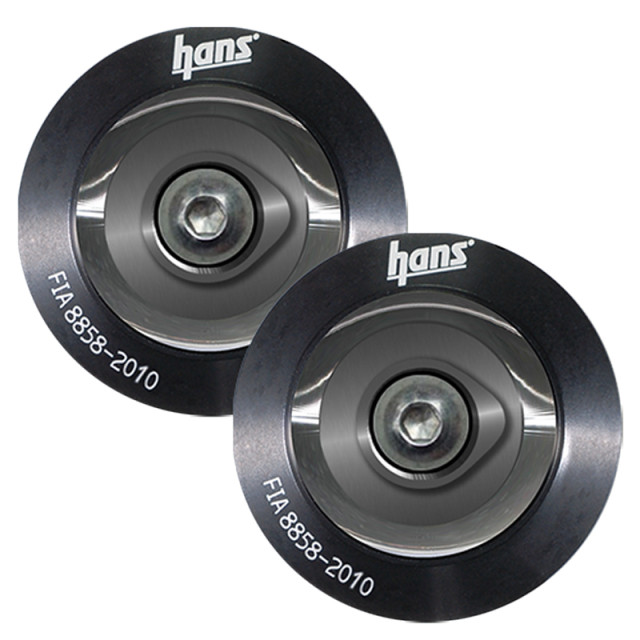
HANS Anchor Posts - No Nut Washer
HANS anchor collar posts for attaching the tethers to your helmet. Alloy construction and detailing. Screw these posts directly in..
$169.99
Ex Tax: $147.82
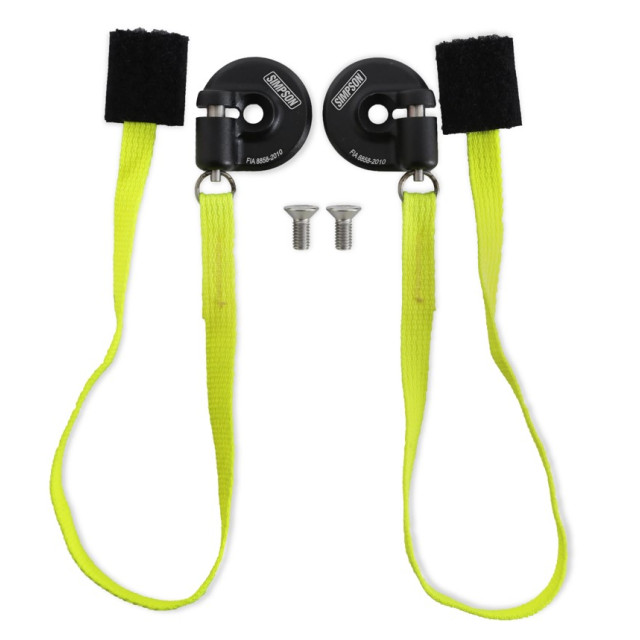
HANS/Hybrid Helmet Anchor M61 QR - No Nut Washer
HANS M6 Quick Release Helmet Anchor for use with M61 Dual End TetherCan be used with HANS or Simpson HybridSFI 38.1 and FIA ApprovedSold in pairs..
$189.98
Ex Tax: $165.20
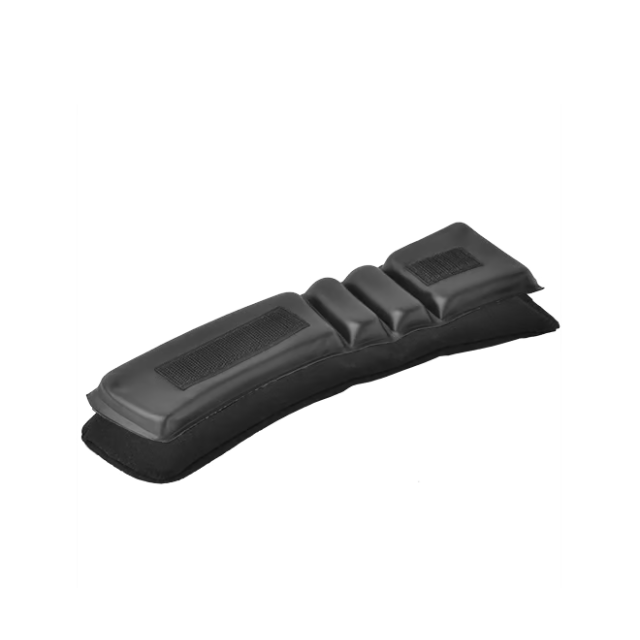
HANS Contour Padding Set
HANS sealed pockets combine air and foam with alligator shaped padding. Solves some comfort issues, especially when gators can be placed over problem ..
$159.99
Ex Tax: $139.12
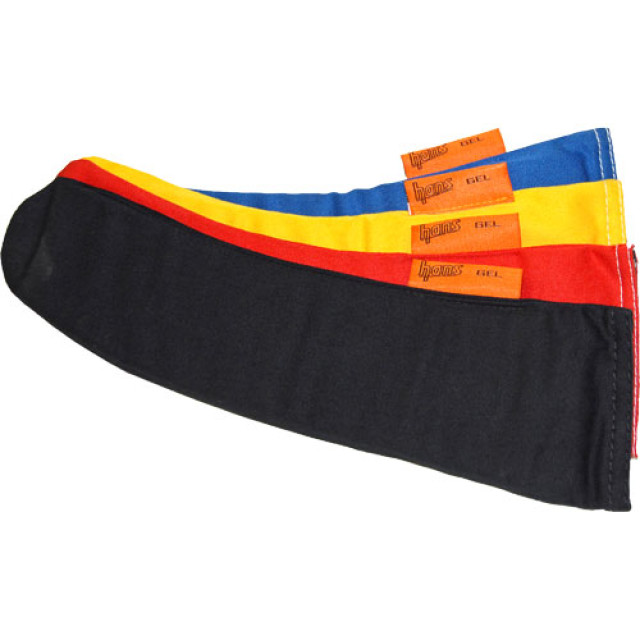
HANS Gel Padding Set
Accessory gel padding for HANS devices, includes two shoulder pads. Fits medium and large devices only. Soft medical gel pad may address comfort conce..
$219.99
Ex Tax: $191.30
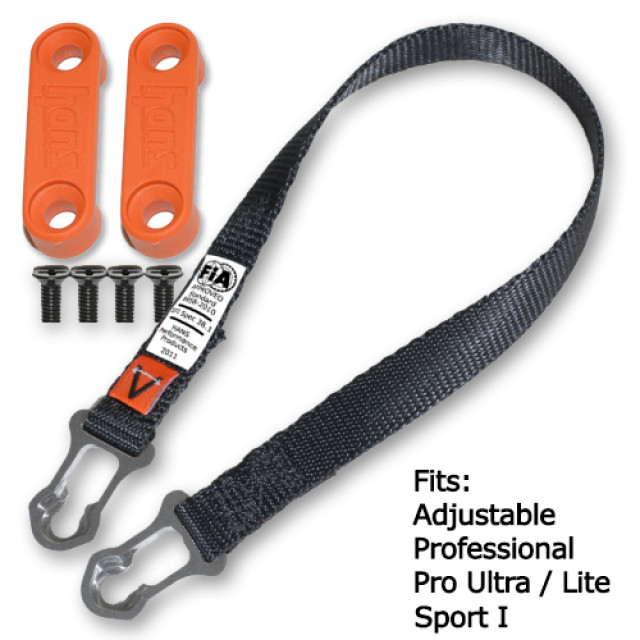
HANS Pro Sliding Tether Kit
HANS sliding tether and orange carriers for HANS Pro and Adjustable Devices with Post Anchors. This is a replacement part kit if you have worn or..
$119.99
Ex Tax: $104.34
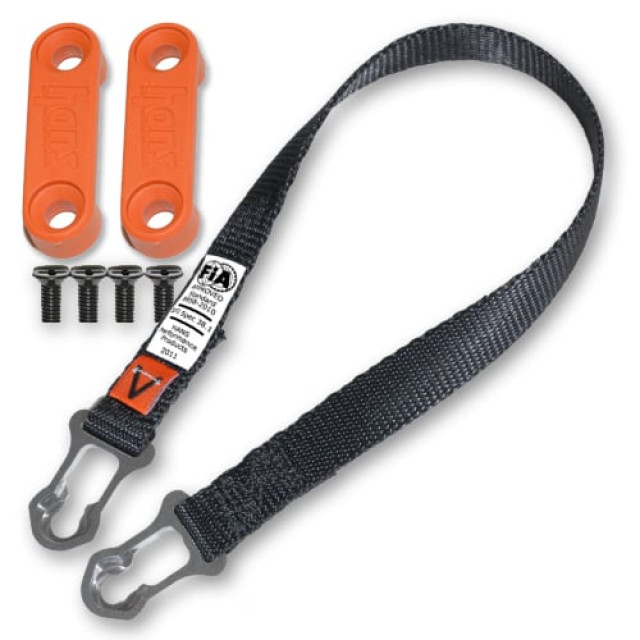
HANS III Sliding Tether Kit
HANS sliding tether and orange carriers for HANS III Devices with Post Anchors. This is a replacement part kit if you have worn or damaged tether..
$119.99
Ex Tax: $104.34
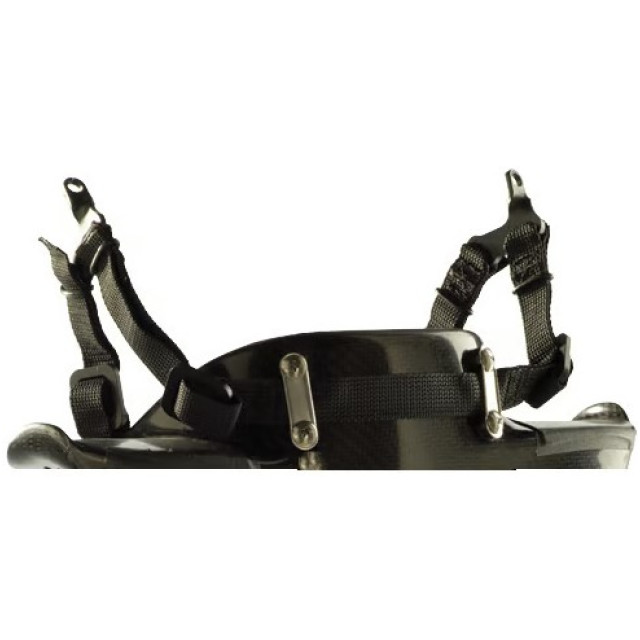
Simpson Hybrid M61 Dual End Fitting Tether Set
Simpson Hybrid M61 Dual End Fitting Tether Set. Used with the M6 Anchor System...
$119.99
Ex Tax: $104.34

FIA Approved HANS Device Warrant of Fitness
Whilst there is no requirement for an FIA approved device to be officially recertified, we suggest an FIA approved HANS Device needs to be checke..
$0.00
Ex Tax: $0.00

SFI HANS Device Recertification
Please note: We do not recertify Hybrid, Necksgen or DefNder devices. We can only recertify genuine HANS devices. If your HANS device is FI..
From $34.50
Ex Tax: $0.00
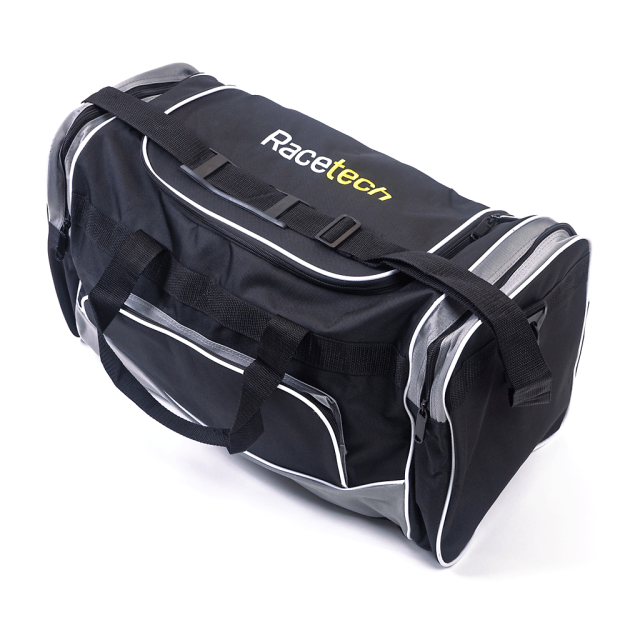
Racetech Gear Bag
The Racetech Gear Bag is the perfect companion for any motorsport event. Keep it packed with gear to just grab and go to your next race. Feat..
$79.99
Ex Tax: $69.56
Newsletter
* Email:
First Name:
Last Name:










-100x50.jpg)